
The Window Unit Grew Up
Heat season began in New York City on October 1. In many older apartment buildings, the routine is familiar: the boiler starts, steam rises through the pipes, and radiators return to work. A new generation of window heat pumps offers another way to heat these homes. Installed at the window, they provide warmth in winter and cooling in summer, with individual temperature control. For a city with so many buildings constructed long before modern air conditioning, that is a useful development. The architectural interest is straightforward: how much can we improve an older apartment without undertaking a major renovation?
A familiar appliance, with a new role
A heat pump transfers heat between indoors and outdoors. In summer, it removes heat from a room. In winter, it draws heat from the outdoor air, even when that air is cold. The newer window models bring this technology into a format suited to existing apartments. Some sit across the sill, with the larger outdoor component below the window, preserving much of the glass and the view. They use standard household outlets and are designed for relatively quick installation. That can reduce the work usually associated with adding a separate heating and cooling system. The window still needs to be suitable, and the electrical supply needs to be checked. But the installation can be considerably less disruptive than running new equipment and piping through an occupied apartment.
Why New York matters
New York has helped bring these products forward. The Clean Heat for All Challenge, launched in December 2021 by NYCHA, the New York Power Authority and NYSERDA, asked manufacturers to develop a practical heating and cooling solution for existing public housing. Midea and Gradient were selected, and early installations took place at Woodside Houses in Queens. NYSERDA reported heating-energy savings of more than 75 percent per square foot during the first winter. Those findings came from 24 apartments, a promising result that needs to be tested across more buildings and winters. The next phase is larger. NYCHA’s April 2026 sustainability agenda set a goal of bringing heat pumps to 20,000 apartments over five years. That is a planned expansion, rather than a count of completed installations. The opportunity also extends beyond public housing. NYSERDA’s Room Heat Pump Program offers demonstration incentives of $1,500 per window heat pump in market-rate homes and $2,250 in qualifying low- and moderate-income homes. Eligible buildings must have at least five apartments, and each window heat pump project must include at least ten devices. That does not mean ten separate apartments.
What changes for an older building
For residents, the appeal is immediate: more control over room temperature and one appliance that can serve both seasons. For a building board, the questions are broader. Does the unit fit the window? Is the sill in good condition? How will it look from the street? Is the building landmarked? Can the existing electrical supply support the proposed installation? These questions are familiar territory for architects working with older buildings. They involve the relationship between the apartment, the facade and the systems that serve them. Water management and the manufacturer’s installation requirements also need attention. A conversion can happen in stages. Some apartments may adopt heat pumps while the central heating system continues serving others. That makes a gradual approach possible, but it also requires coordination. The building needs a clear plan for the existing radiators and for who pays for the electricity used to heat each home.
A practical reason to look ahead
Energy performance is part of the case. Older central heating systems can waste energy through distribution losses and overheating. Room heat pumps offer a way to deliver heat closer to where it is needed and give residents more control. The financial outcome will vary. Installation costs, electricity rates, the condition of the existing system and the apartment itself all matter. The early results are encouraging, but they should guide a building-specific assessment rather than substitute for one. Local Law 97 adds another reason for many larger New York buildings to review their options, with stricter emissions limits arriving in 2030. It does not prescribe window heat pumps as the solution. It makes a considered plan for energy use increasingly important.
Starting at the window
Window heat pumps will not suit every apartment, and they will not resolve every issue in an older building. They do, however, offer a practical option for improving comfort while reducing the extent of renovation required. For owners and boards, the next step is to assess suitability, understand the costs and consider whether a small demonstration project makes sense. For generations, New Yorkers have opened their windows to escape overheated apartments. The prospect of using that same window to provide more controlled heating and cooling is a welcome change. As the technology is tested more widely, the sill may become a useful starting point for the next renovation.
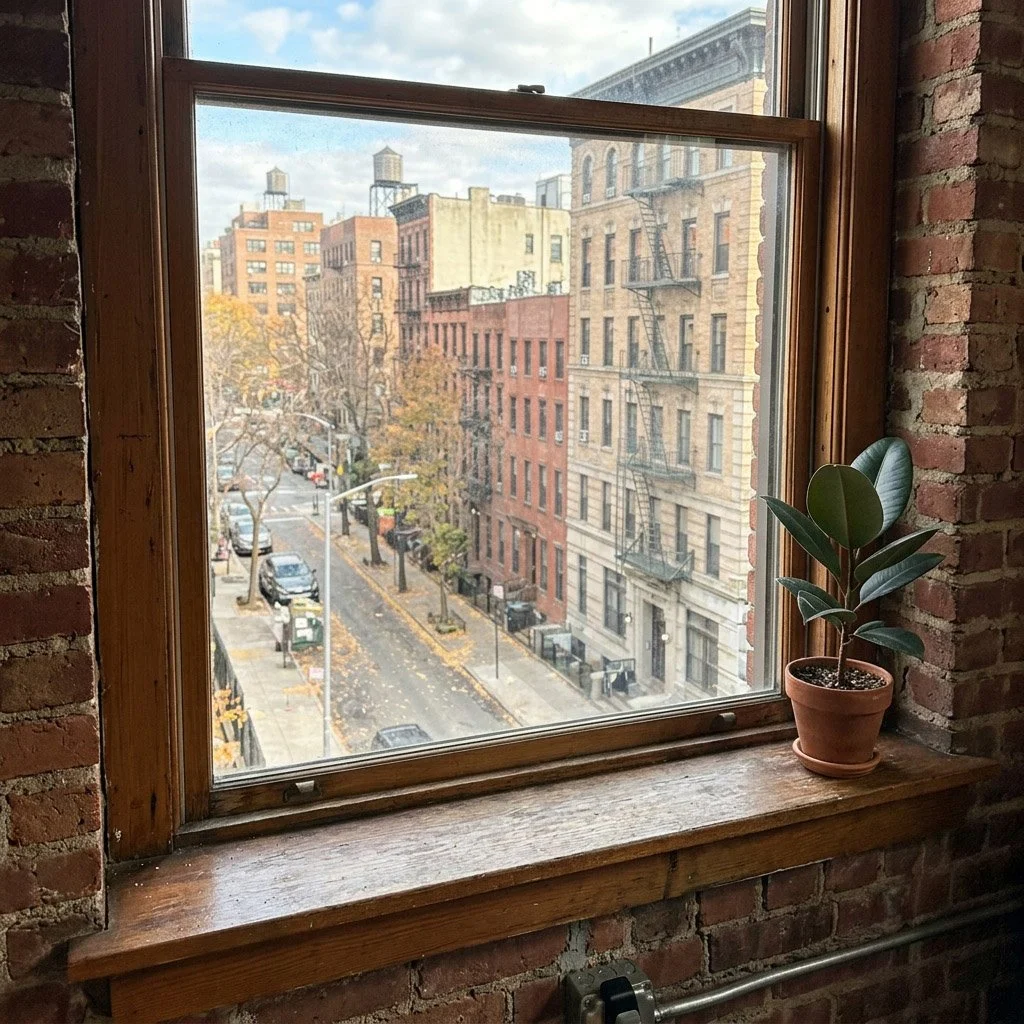
Heat season began in New York City on October 1. In many older apartment buildings, the routine is familiar: the boiler starts, steam rises through the pipes, and radiators return to work.