
The Birth of the Cavity Wall
The History of Cavity Walls In the mid to late 19th century, British builders faced a chronic problem. Driving rain was constantly soaking through solid brick walls, creating damp interiors. Their solution fundamentally changed how we manage moisture today. Instead of building thicker solid walls, they split the wall in two. They built two separate layers of brick and left a hollow air space between them, tying the layers together with metal ties. This was the birth of the cavity wall.
The Mechanics of the Air Gap
The outer layer of brick still absorbed rain, but the continuous air gap prevented that moisture from moving via capillary action into the inner wall. The water simply drained down the back of the outer brick or dried out through airflow. Builders created an early version of a rainscreen system, proving that managing water with an air gap works far better than trying to create an impenetrable barrier.
What Thermal Imaging Shows Today
When exposed to rain, masonry with a ventilated air gap dries significantly faster than traditional solid masonry, which can retain trapped moisture. This has real consequences for durability, mold resistance, and long-term maintenance. An air gap allows water to escape rather than migrate into the structure, improving the lifecycle performance of the wall.
Why New York Should Pay Attention
New York is filled with older masonry buildings that struggle with moisture. Many undergo decades of patching and resurfacing, yet problems persist because the wall assemblies often lose their ability to shed moisture effectively after years of non-breathable repairs. In a humid coastal environment, this becomes a maintenance burden. While we must respect historic preservation and landmark rules, the principles of the cavity wall offer a path forward. By prioritizing drainage and ventilation over simply sealing walls tighter, owners can reduce the cycle of ongoing repairs.
The Modern Equivalent.
Today, designers can replicate this performance with aluminum bracket and rail systems. These components create a consistent air cavity behind thin brick veneers, terra cotta, or cement panels. They offer a predictable, code compliant way to introduce ventilation and drainage when recladding or performing major envelope overhauls.
Cost and Long Term Benefits
While a full facade replacement is a significant investment, the specialized bracket components for these systems are relatively accessible, often starting around six dollars per square foot for the substructure hardware. For a mid sized building, integrating an air gap into a planned facade renovation offers massive long term benefits. It improves drying time, reduces freeze thaw damage, and helps prevent facade spalling. It also simplifies future maintenance since the cladding layer is designed as a managed screen rather than a permanent bond.
Building Resilience by Looking Back
The evolution of the cavity wall is a reminder that the best solutions involve working with physics rather than fighting it. By adding a simple gap, 19th century builders solved a massive dampness problem. New York faces different pressures today, from climate challenges to aging infrastructure, but the lesson still applies. Sometimes the smartest move is to let buildings breathe.
A Simple Solution for Modern Envelopes
A small air gap solved a widespread moisture issue over a century ago, and it remains a superior way to handle moisture today. By embracing these managed drainage principles, we can improve building longevity and create healthier envelopes for the future of the city.
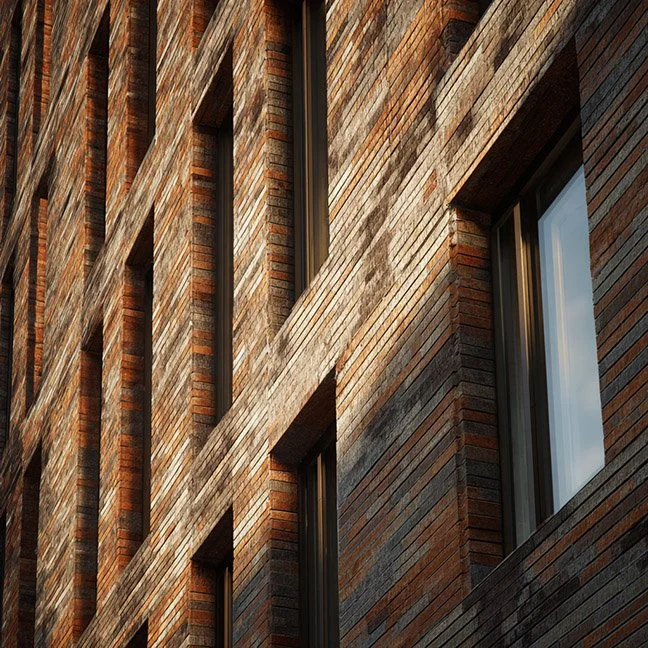
In the mid to late 19th century, British builders faced a chronic problem. Driving rain was constantly soaking through solid brick walls, creating damp and unhealthy interiors.