
Red Hook: How a Historic Neighborhood is Shaping a Sustainable Future
The waterfront Brooklyn neighborhood of Red Hook has undergone substantial transformations over the past few decades. Following the devastation of Hurricane Sandy, Red Hook demonstrated how old buildings can transition into new uses by connecting history with modern urban development and environmental resilience. This article examines the history of Red Hook, analyzes its iconic structures, and describes both the destructive impact of the storm and the neighborhood's ongoing sustainable redevelopment.
1. The Industrial Past: Developing a Unique Character
Before its current state, Red Hook functioned as a bustling industrial hub filled with docks, warehouses, and manufacturing facilities. Due to its prime access to the Upper Bay and the Port of New York, the area served as a critical trade and shipping center. The Red Hook Terminal and surrounding warehouses operated as principal entry points for goods imported into New York City. Many industrial structures built during the late 1800s and early 1900s still stand today. These former factories and port facilities display high ceilings, exposed brick, and steel beams, architectural elements that showcase the neighborhood's working-class roots. For several decades, Red Hook escaped rapid gentrification due to its geographic isolation, allowing it to keep its authentic nature intact while other Brooklyn neighborhoods changed. It was only in the early 2000s that Red Hook began its path toward becoming a thriving residential and cultural destination.
2. The Impact of Hurricane Sandy: A Devastating Challenge
On October 29, 2012, Hurricane Sandy brought destruction throughout New York City, and Red Hook was one of the hardest-hit areas. The storm surge flooded numerous waterfront regions, submerging some buildings under several feet of water. Historic waterfront structures and commercial facilities suffered severe damage due to their proximity to the shore. This disaster was a turning point for Red Hook. Although the flooding was devastating, it sparked a new dedication to sustainability and resilient design during the rebuilding efforts.
3. Red Hook’s Revival: Restoring with a Sustainable Vision
Red Hook proved itself as an exemplary case of urban renewal through resilience. Rather than demolishing damaged buildings, the neighborhood preserved them, restoring their original character while adding contemporary sustainable features.
The Red Hook Winery
demonstrates the success of this approach. The winery resides within a historic waterfront warehouse on Pier 41, offering magnificent views of the Upper Bay, Governor’s Island, and the Statue of Liberty. The building's original exposed brick walls and wooden beams remain intact, creating an industrial-chic appearance that serves modern business needs.
Sustainability in Design
Renovations like the Red Hook Winery incorporated energy-efficient solutions and sustainable materials. For example:
Energy Efficiency: The building minimizes heat loss through high-performance windows, which also enable unobstructed waterfront views.
Circular Economy: The construction process utilized recycled materials to reduce waste.
Local Sourcing: The winery sources its grapes from local farms to practice sustainable agriculture and lower its environmental impact.
Sustainability in Red Hook extends beyond architecture; it represents the community-driven principles of the area, where local businesses focus on environmental responsibility.
4. Notable Adaptive Reuse Projects
The neighborhood contains various adaptive reuse projects that merge historic preservation with contemporary design.
Food Bazaar: A prime example is the massive waterfront warehouse now occupied by Food Bazaar (formerly Fairway Market). The building maintains its original industrial characteristics through open ceilings and raw concrete floors while incorporating sustainable building materials and energy-efficient technology.
Pioneer Works: The neighborhood further demonstrates its dedication to culture through Pioneer Works, a massive cultural center housed in a converted 1866 ironworks factory. Instead of demolishing the structure, the founders preserved the original red brick façade and towering timber beams. Today, it serves as a dynamic hub for art, science, and music, proving that Red Hook’s industrial legacy can serve as the foundation for a modern, creative community.
5. A Model for Future Resilient Neighborhoods
Red Hook demonstrates how neighborhoods globally can adapt to natural disasters. The combination of sustainable practices with adaptive reuse enables the area to safeguard its heritage while building a resilient future.
The success of Red Hook results from active community involvement, environmental stewardship, and collaboration between local businesses, residents, and city planners. As cities worldwide seek solutions to climate change and urban expansion, Red Hook demonstrates how sustainability can be embedded into urban renewal.
Conclusion: A Sustainable Legacy
The transformation of Red Hook blends industrial heritage with sustainable development principles. By combining historic restoration with green infrastructure and energy-efficient design, the neighborhood demonstrates how cities can handle climate change without losing their cultural soul. The story of Red Hook is proof that adaptive reuse is a powerful tool for creating the urban environments of the future.
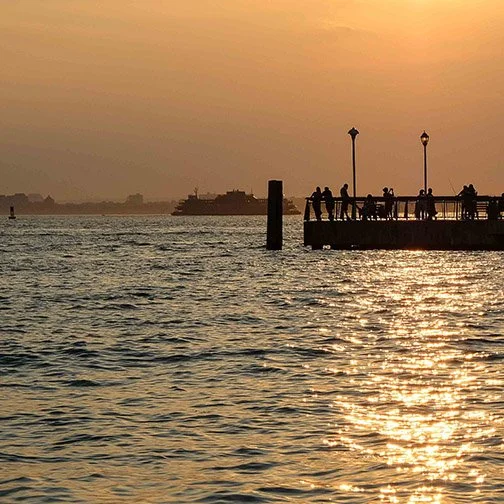
The transformation of Red Hook demonstrates sustainability and community resilience through its blending of industrial heritage with sustainable development principles.