
The Gowanus Canal Cleanup: An Architectural Opportunity for Brooklyn
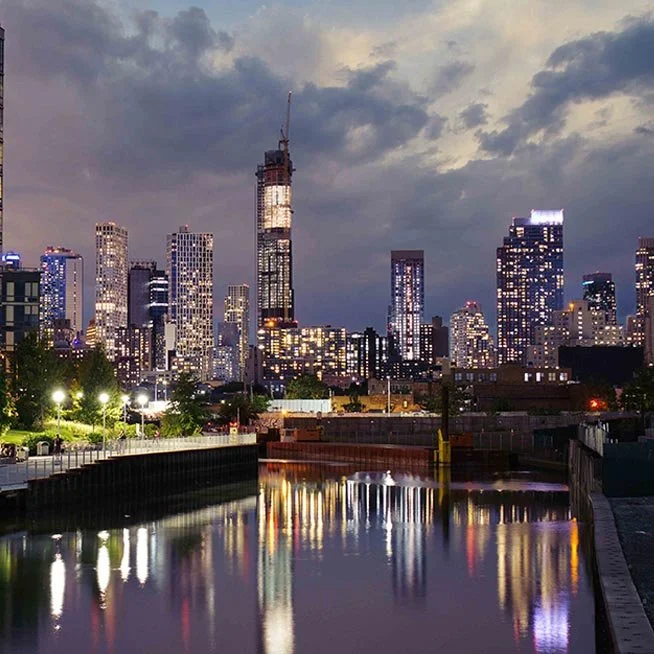
The Gowanus Canal is undergoing a massive transformation. For over a century, it was a hub for heavy industry. Today, it is the site of a comprehensive environmental cleanup. As the water quality improves and the canal is remediated, Gowanus is experiencing a wave of new development. This shift presents a unique opportunity for architects to redefine what sustainable, resilient urban design looks like in Brooklyn.
The Power of Adaptive Reuse
One of the most exciting aspects of the Gowanus revitalization is the potential for adaptive reuse. The neighborhood is defined by its historic brick warehouses and industrial factories. Rather than tearing these structures down, the architectural community has the opportunity to retrofit them into modern, energy-efficient spaces.
Adapting an existing building keeps embodied carbon out of the atmosphere. It also preserves the architectural character of the neighborhood. The raw, industrial bones of a Gowanus warehouse provide an excellent canvas for modern interior design. By introducing materials like warm walnut, microcement, and travertine, we can create spaces that feel tactile and refined. This approach respects the building's history while drastically upgrading its functionality.
Building for Resilience
Because Gowanus sits at sea level, new development and adaptive reuse projects must prioritize disaster-resilient design. Building near the canal means designing for water.
Architects need to elevate critical infrastructure, such as electrical and mechanical systems, above potential flood lines. Ground floors must be constructed with durable materials that can withstand storm surges. We also need to implement smart stormwater management systems, like permeable paving and green roofs, to reduce the strain on the city's infrastructure and filter runoff before it reaches the canal. These are the exact types of challenges that drive the sustainability work at Irving Yee Architecture.
A Blueprint for Sustainable Urban Growth
The remediation of the Gowanus Canal is a clear environmental victory. It proves that urban waterways can be restored with proper investment and engineering.
As architects, our responsibility is to ensure that the buildings rising along the banks match the environmental ambition of the cleanup itself. This means integrating passive design principles, utilizing bio-based materials, and designing for long-term climate adaptability. The new Gowanus can honor its industrial past while setting a new standard for a healthier, more resilient city.
The remediation of the Gowanus Canal is a clear environmental victory. It proves that urban waterways can be restored with proper investment and engineering.