
Salone del Mobile 2026: Materiality as a Baseline, Not a Trend
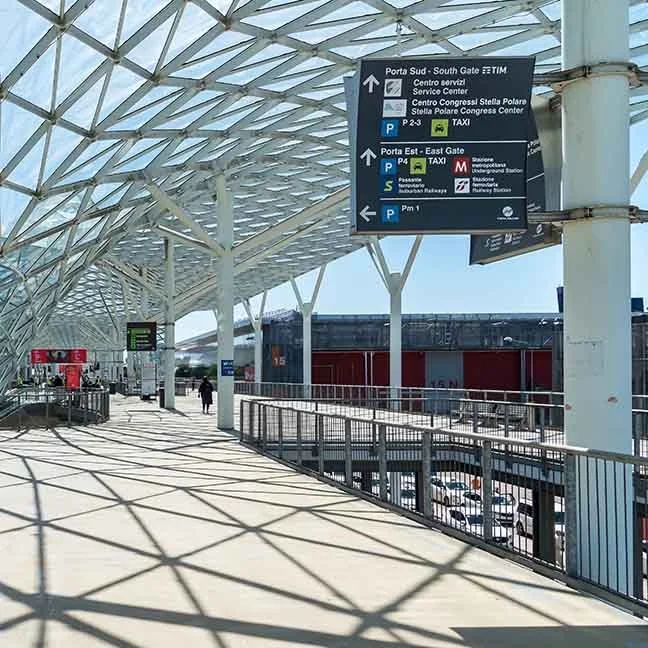
The 64th edition of Salone del Mobile, running April 21 through 26 at Fiera Milano Rho, marks a transition from viewing sustainability as a finished product to treating it as a starting condition. While the industry remains a high-volume commercial engine, the 2026 fair signals a shift in baseline specifications that architects and designers should track.
The Material Genesis
The official theme, A Matter of Salone, attempts to pivot the conversation from final forms to the raw matter that precedes them. This is not just a philosophical exercise. Salone President Maria Porro argues that design thinking must now begin with the stone, the wood, or the recycled plastic already in existence rather than what can be newly extracted.
For the industry, this is a pragmatic response to shifting trade routes and rising material costs. By centering provenance, the fair is pushing brands to justify their supply chains before a single sketch is made.
Circular Logistics and Certification
The fair itself is addressing its own footprint through ISO 20121 certification for sustainable events management. While exhibition design has a history of waste, the 2026 guidelines encourage 100% reusable or recyclable booths with a focus on modularity.
It is important to remain skeptical of "100%" claims in a trade show of this scale, as many high-end brands still prioritize bespoke, brand-heavy architecture. However, the move toward certified event management forces a level of accountability on the organizers that was previously absent.
EuroCucina and the International Bathroom Exhibition
In the biennial EuroCucina, the shift is visible in material specifications. FSC-certified wood, antibacterial ceramics, and regenerated laminates are being positioned as standard requirements rather than premium upgrades. For professionals specifying residential interiors, this indicates that supply chain transparency is moving into the mainstream.
The International Bathroom Exhibition frames the problem through longevity. The focus has moved toward products designed to outlast short-term trends, with durability and water efficiency leading the narrative. While a yearly trade fair promoting 40-year fixtures is an inherent paradox, the focus on technical repairability and programmed spares is a necessary evolution for high-wear environments.
Craft as a Technical Requirement
SaloneSatellite, featuring 700 designers under 35, explores the theme Skilled Craftsmanship + Innovation. This framing rejects the idea of craft as nostalgia. Instead, it positions manual heritage as a technical tool. The logic is that a deep understanding of material properties is required to design for disassembly and repair. In an era of AI-driven design, the return to "knowing the matter" serves as a check against the speed-optimized waste of standardized industrial processes.
The Professional Takeaway
For those working in the built environment, the 2026 fair offers a useful shift in leverage. When the world’s largest furniture fair treats material origin and longevity as primary design decisions, it becomes easier to justify higher specifications and durable finishes to clients. Salone 2026 is less about the "newest" object and more about the systems and materials that allow that object to exist responsibly.
For those working in the built environment, the 2026 fair offers a useful shift in leverage.