

IRVING YEE ARCHITECTURE
Premier property management firms and building boards rely on the firm to provide thoughtful solutions for everything from critical interior and exterior renovations to inspiring new amenity spaces. A certified Passive House architect, founding principal Irving Yee is passionate about design that creates healthier, more sustainable living environments.
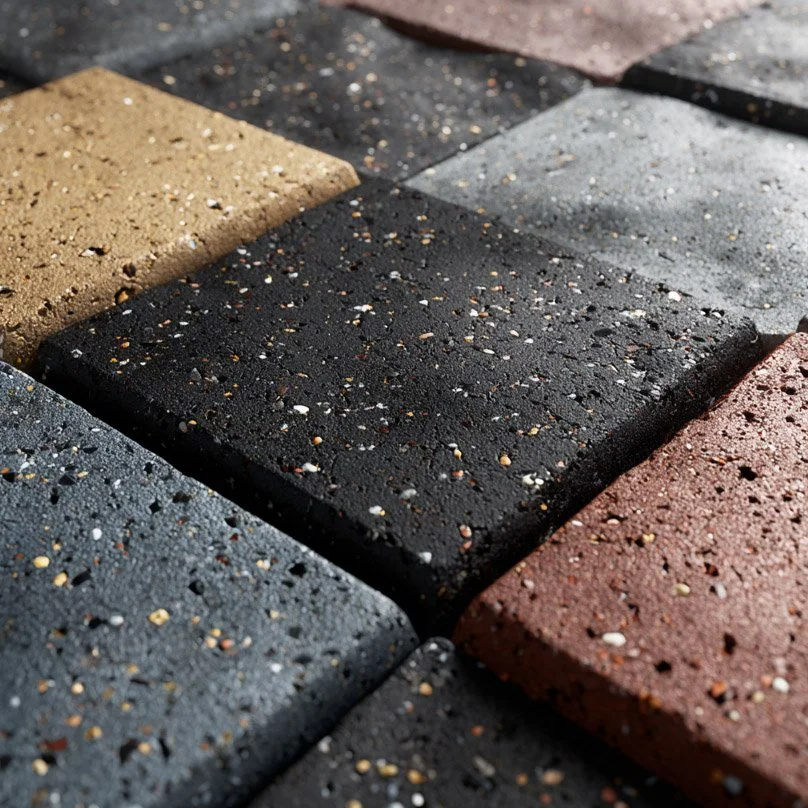
Rubber Flooring From Old Sneakers
Most of us never think about what happens to sneakers once we toss them out. They leave the house, but not the world. For years, shoes went to landfills
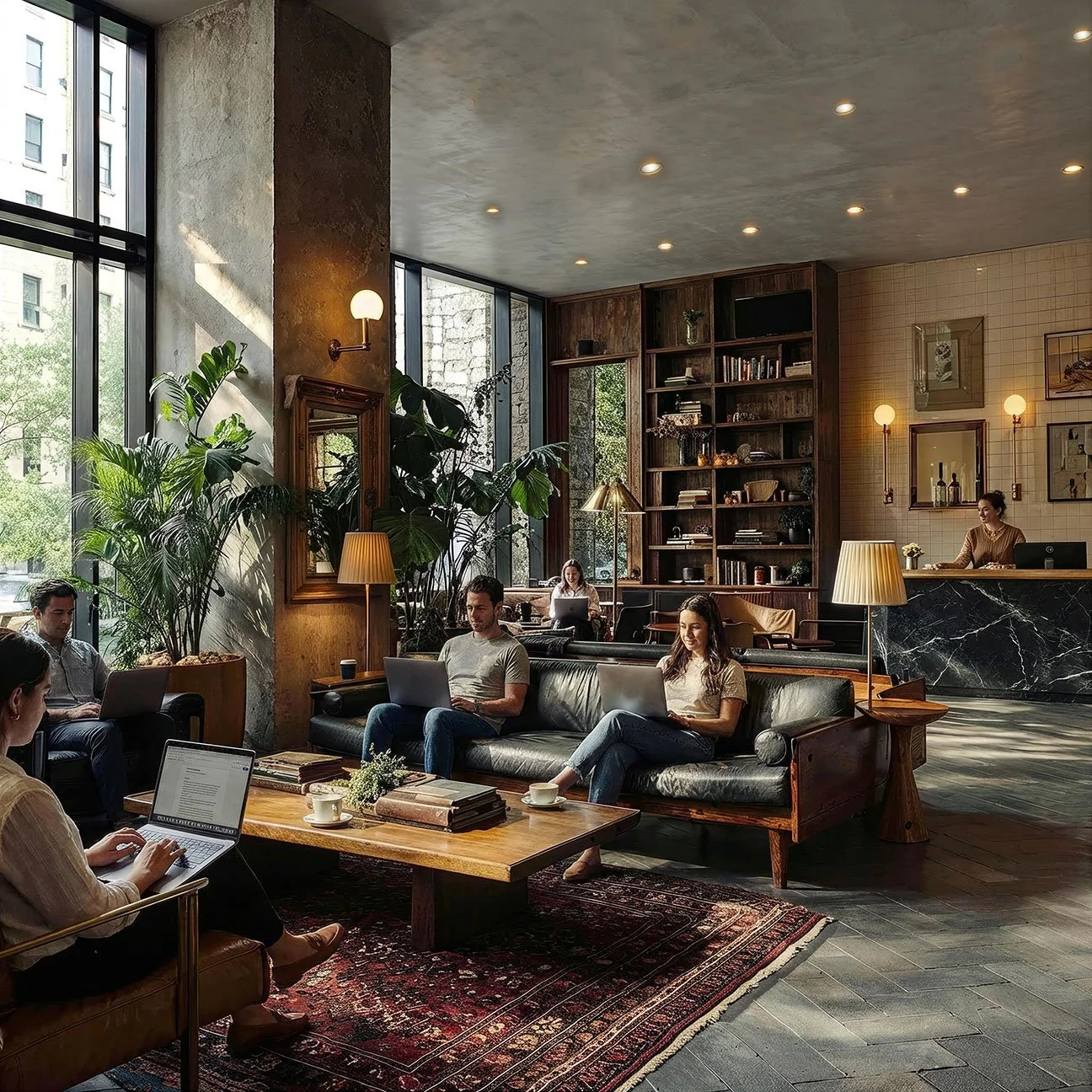
Hotel Co-Working Lounges: How Shared Spaces Became the New Places to Work
The lobbies of NYC hotels have evolved into functional work areas that let guests handle business tasks, hold brief meetings, and make phone calls.
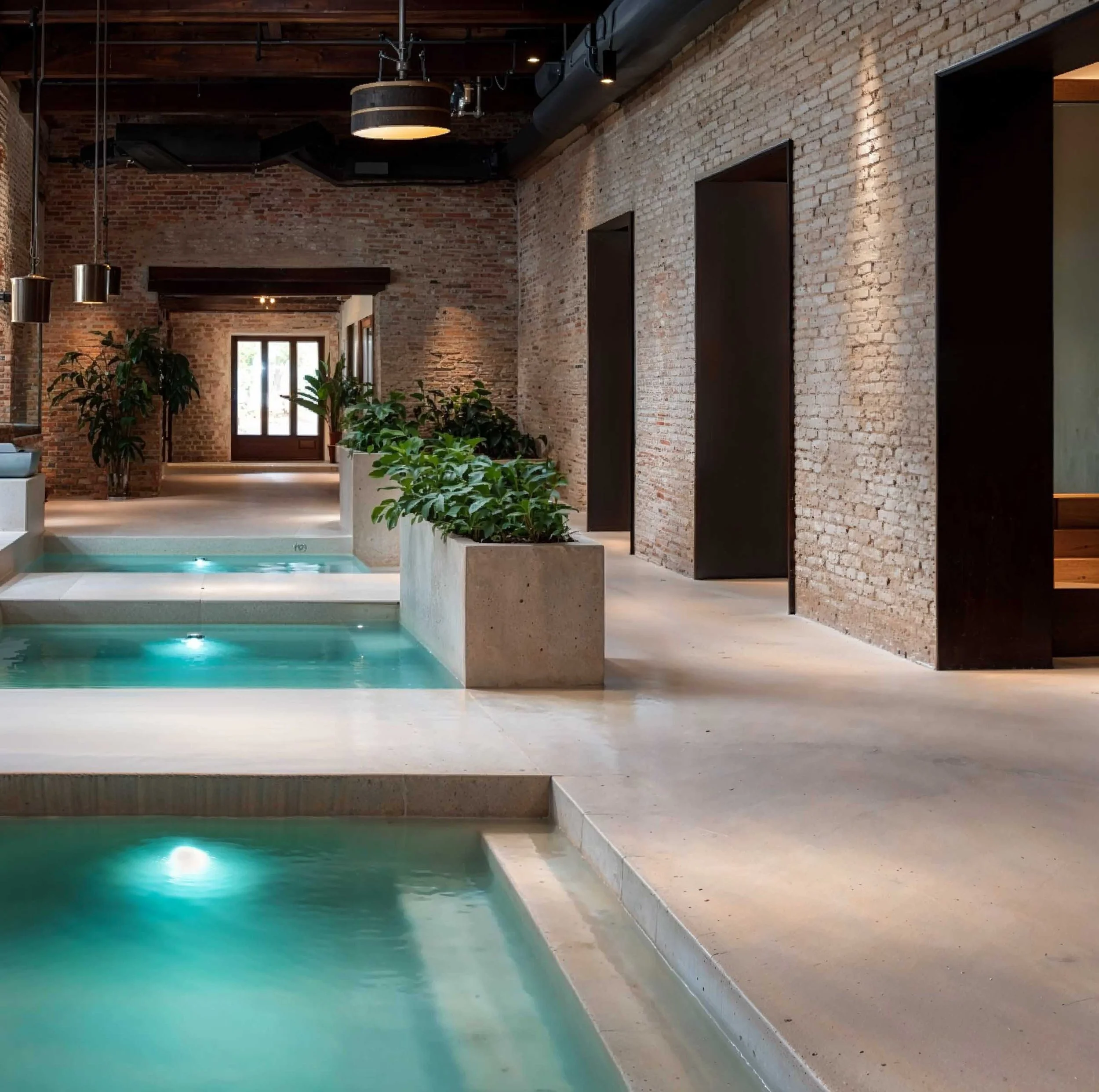
From Ancient Baths to Modern Spas
The development of spas began with their function as public facilities for bathing. People in ancient Greece and Rome traveled to thermal springs to achieve cleanliness, support healing, and maintain social bonds.

Hybrid Interiors: How Coffee Meets Greenery in NYC’s Dual-Purpose Stores
Across New York City, a quiet trend is taking root. Cafés are starting to look like plant shops, and plant shops are serving coffee.

The Food Court: From Convenience to Culture
A food court is a shared area that combines diverse scents, varied sounds, and active human movement.

Marble: A Natural Stone, A Design Icon, and A Sustainability Question
Marble forms when limestone undergoes heat and pressure, resulting in dense crystalline rock composed of calcite or dolomite.

From Wardrobes to Walk-Ins.
The belief that built-in closets were absent in historic homes because of colonial tax laws on additional rooms has become a common but false claim.

Shared Spaces: Reflections on Archtober and the City We Build Together
October in New York is more than fall leaves and pumpkin spice, it is Archtober, a month dedicated to architecture, design, public space, and the city’s built environment.

Concrete: A Brief History and a Path Toward Sustainability
The Romans mixed lime with volcanic ash, called pozzolana, plus stone or brick rubble. Their mixes hardened in air and in water, which is why harbor works survived.

How to Build Reusable Halloween Pop-Ups in New York City
The design of low-waste Halloween pop-up events in New York City leans into creating haunted yet reusable spaces.

Captured Condensate: Turning Hidden Water into a Resource
Although we’re officially in the fall season, New York City still feels more like summer. With temperatures running high, many air conditioning systems are operating at full speed.

Do Houseplants Really Purify Indoor Air?
Houseplants possess the ability to purify indoor air through natural processes. They have become a common design feature in Brooklyn boutique hotels, West Village cafés, and Upper East Side residential buildings.
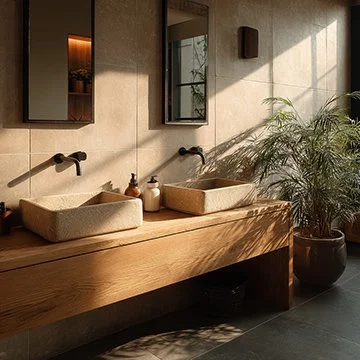
The Rise of Zero-Waste Bathrooms
Hotels and homeowners begin their sustainability journey by eliminating plastic from their daily operations. Remember those small hotel shampoo containers?
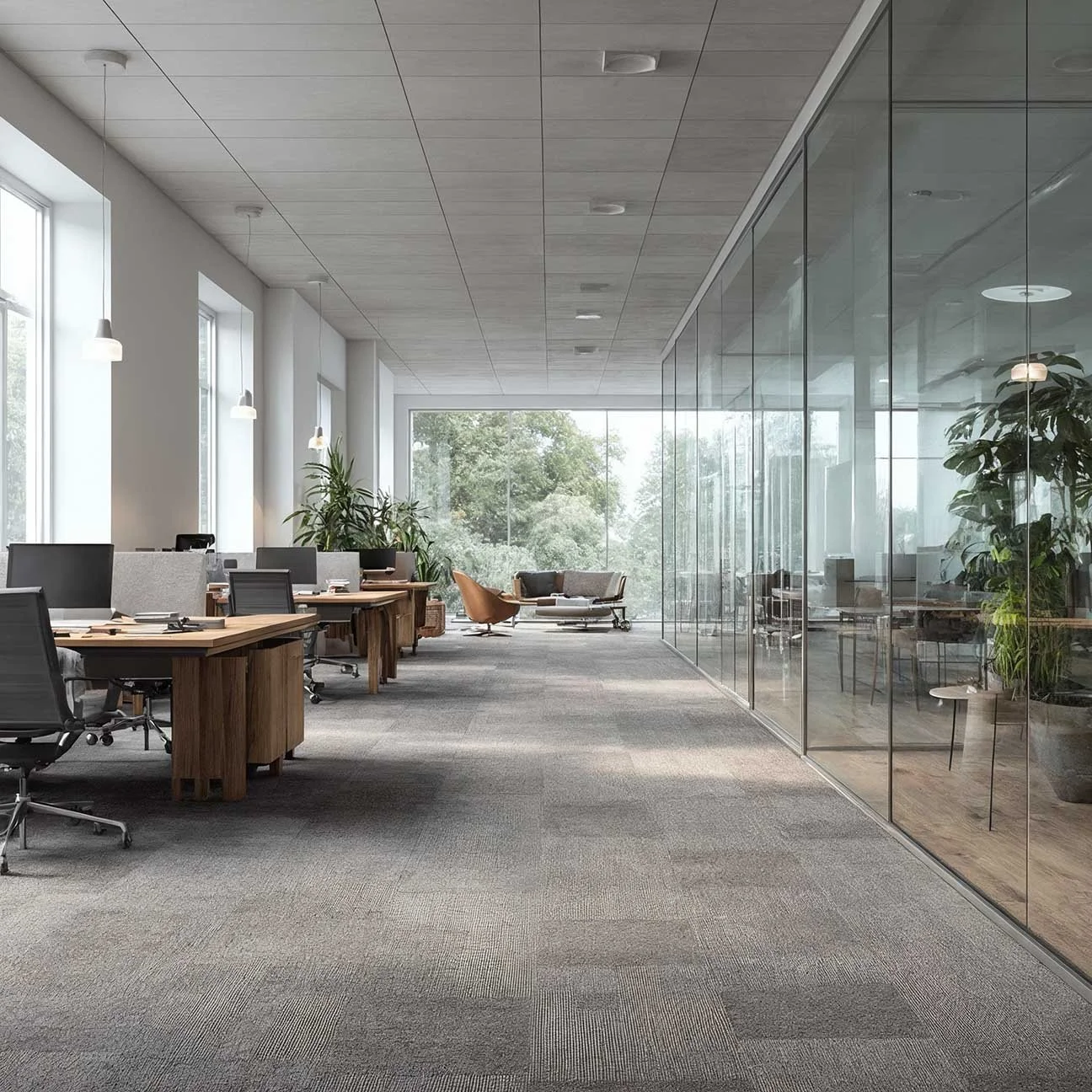

Sustainable Paint: The Future of Eco-Friendly Interiors and Exteriors
The paint industry continues to evolve by producing sustainable products that balance aesthetics with environmental and health benefits.
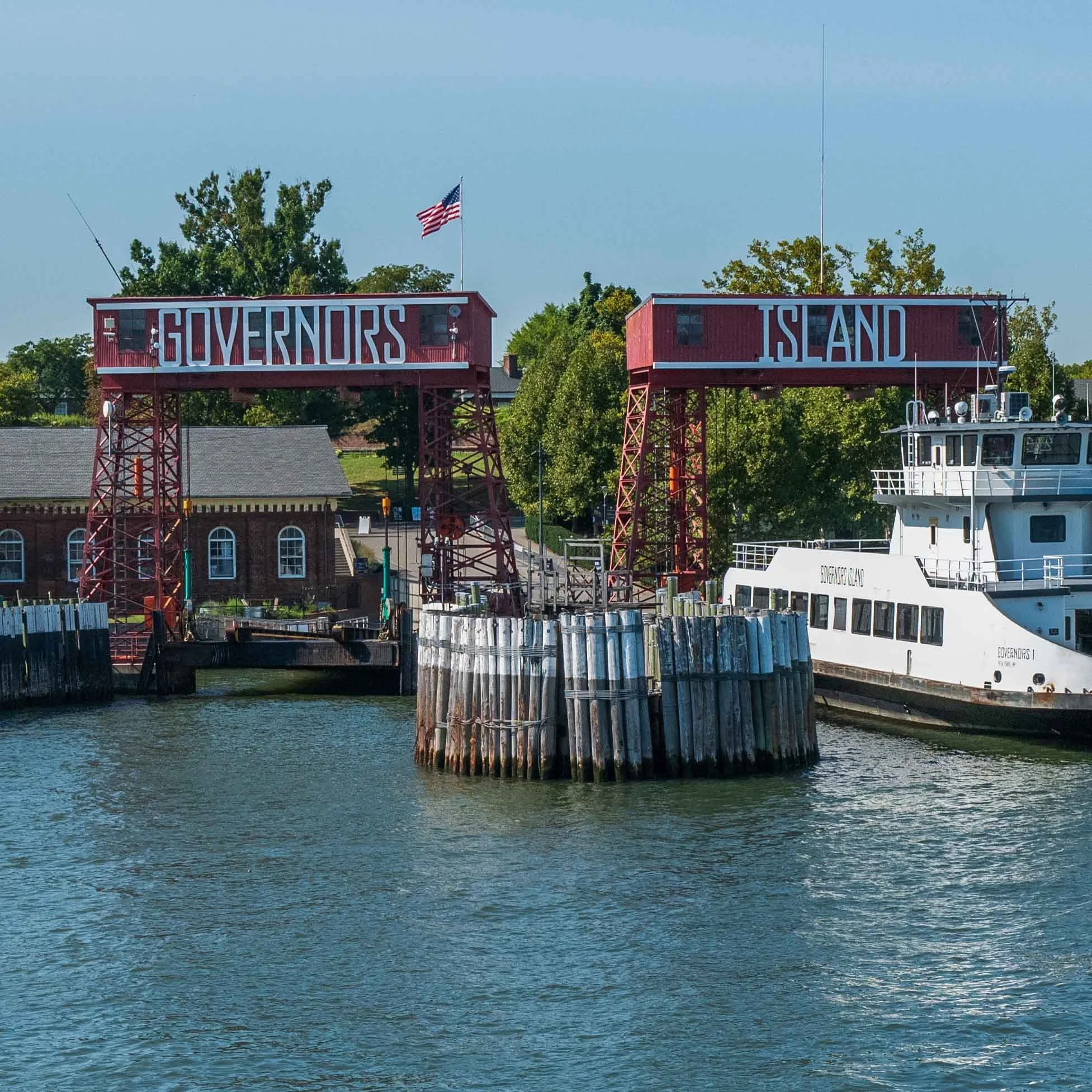
Governor’s Island: A Model for Adaptive Reuse, Sustainability, and Urban Revitalization
The southern tip of Manhattan hosts Governor’s Island, which has evolved from its original military base function into a public park and cultural destination.
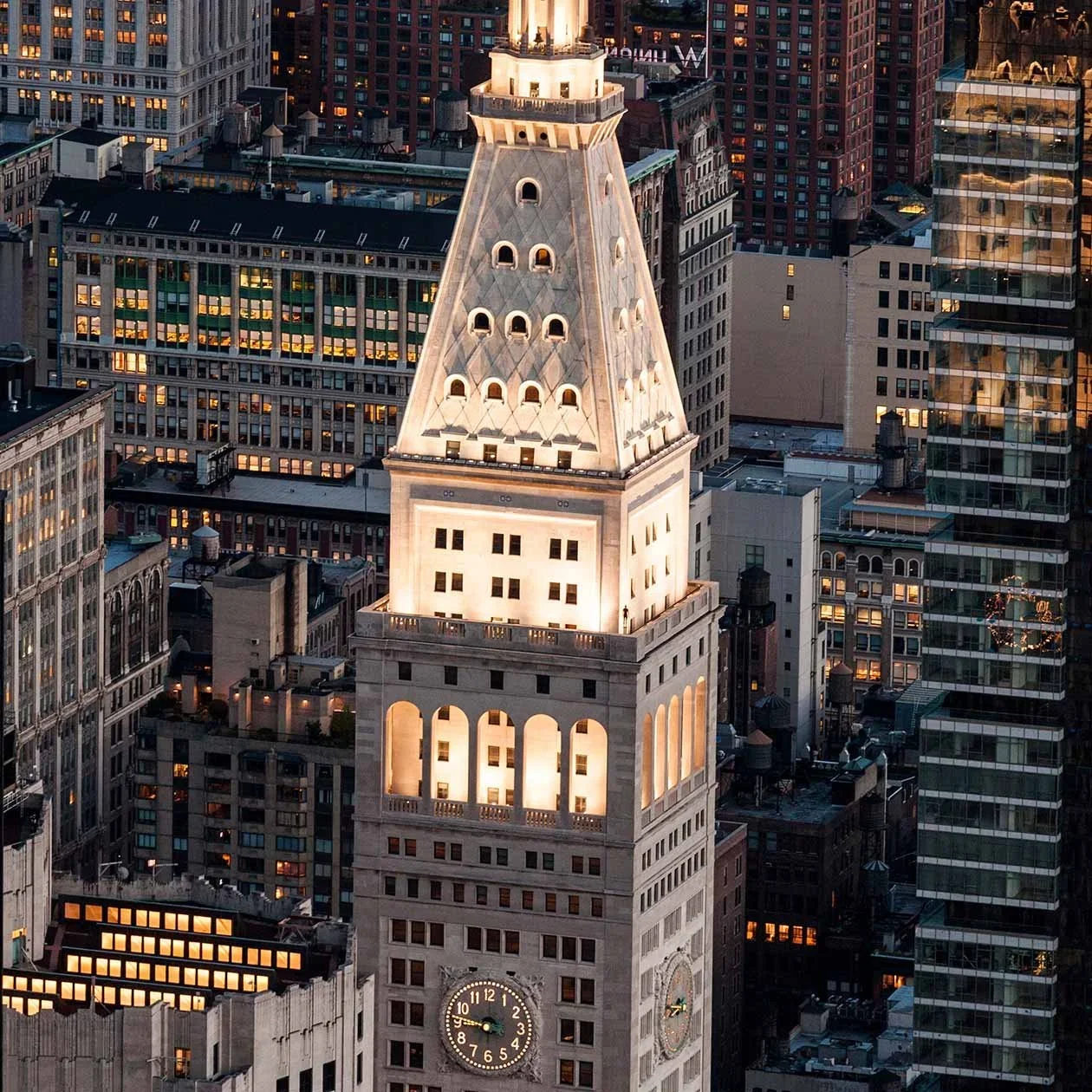
MetLife Tower Serves as a Venetian-Inspired Landmark in New York City While Demonstrating Sustainable Architecture Principles in Urban Development
The MetLife Tower was completed in 1909, becoming a significant architectural landmark on New York City's skyline.
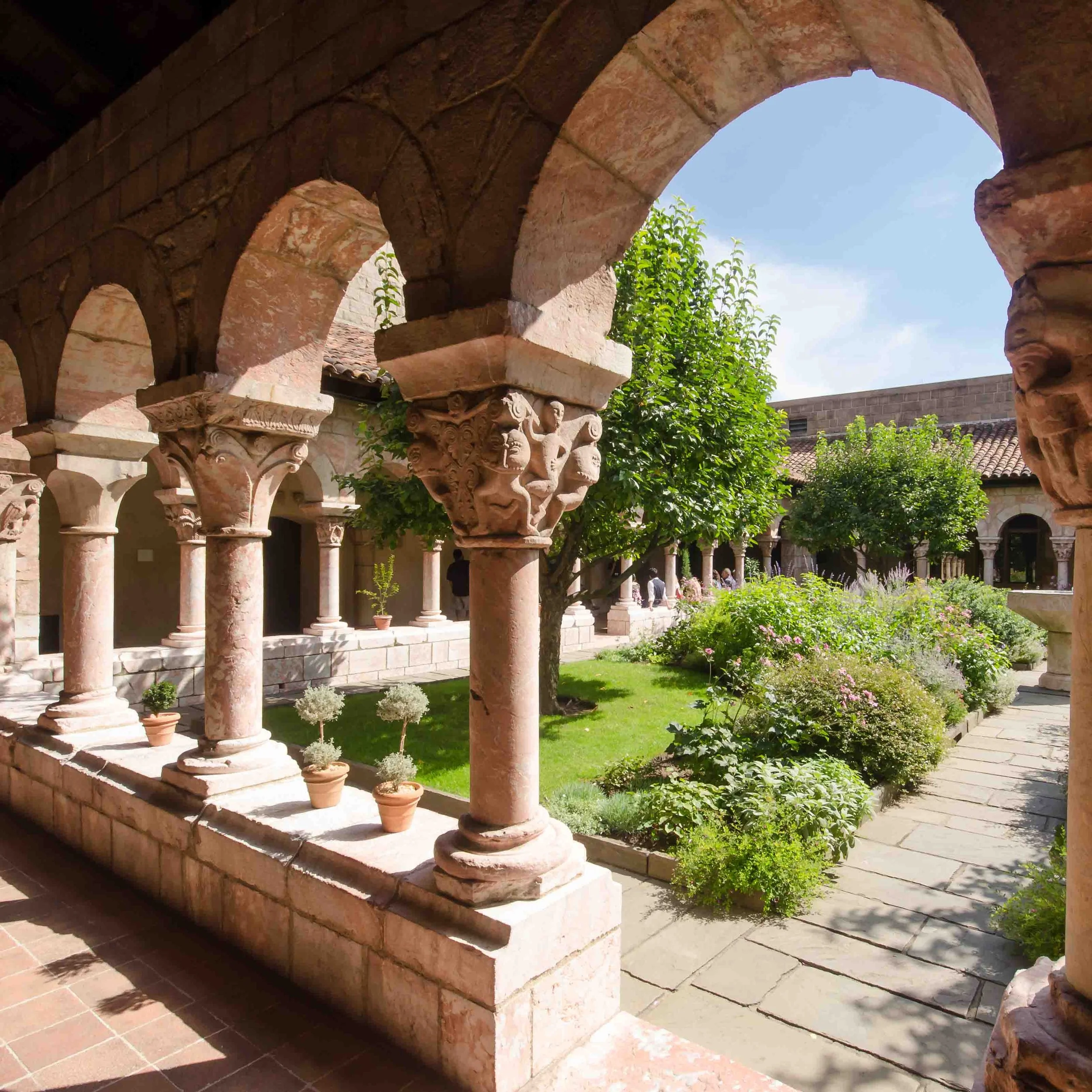
The Cloisters: A Historic Sanctuary in NYC’s Urban Landscape and Its Role in Sustainability
The Cloisters exists as a historic sanctuary in NYC’s urban landscape, demonstrating a strong commitment to sustainability.
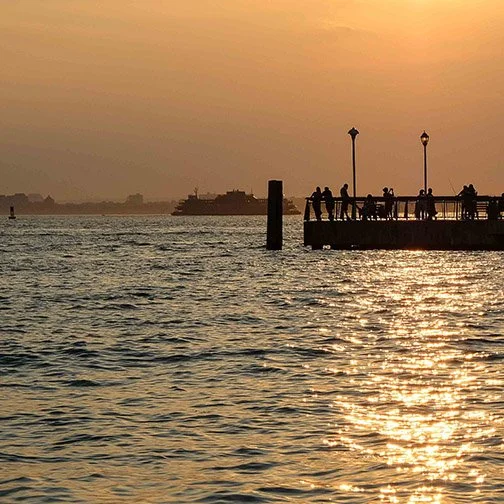
Red Hook: How a Historic Neighborhood is Shaping a Sustainable Future
The waterfront Brooklyn neighborhood of Red Hook has undergone substantial transformations over the past decades.

The Conversion of Vacant Lots into Dynamic Community Areas Through Sustainable Open-Air Concert and Gathering Initiatives in NYC
The city of New York contains numerous vacant lots that have been inactive for extended periods.

ABOUT
Learn more about our 25+ experience in architecture and design